• Home
  • About
  • FAQ
  • Feeds
  • Glossary
  • Contact
Tours In Space
  • Home
  • Start Here
    • Intro to Commercial Spaceflight
    • How to Book a Space Tour
    • Is Space Tourism Safe?
    • Space Travel FAQs
    • View Earth from the Edge
    • What to Pack
  • Preparing for Your Trip
    • Insurance and Legal Waivers
    • Physical and Medical Requirements
    • Training Programs
    • What to Expect
  • Space Tourism Companies
    • Axiom Space
    • Blue Origin
    • SpaceX
    • Virgin Galactic
    • World View (stratospheric balloon flights)
    • Blue Origin vs Virgin Galactic
    • Comparison Chart: Features, Pricing, Booking
  • Space Tours
    • Custom & Luxury Packages
    • Duration, Training, Costs
    • Experiences
    • Future Moon/Mars Options
    • Orbital Flights
    • Parabolic Flight Experiences
    • Private Missions
    • Stratospheric Balloon Flights
    • Suborbital Flights
    • Zero-Gravity Flights
  • Spaceflight Technologies
    • Space Tourism Balloon
No Result
View All Result
  • Home
  • Start Here
    • Intro to Commercial Spaceflight
    • How to Book a Space Tour
    • Is Space Tourism Safe?
    • Space Travel FAQs
    • View Earth from the Edge
    • What to Pack
  • Preparing for Your Trip
    • Insurance and Legal Waivers
    • Physical and Medical Requirements
    • Training Programs
    • What to Expect
  • Space Tourism Companies
    • Axiom Space
    • Blue Origin
    • SpaceX
    • Virgin Galactic
    • World View (stratospheric balloon flights)
    • Blue Origin vs Virgin Galactic
    • Comparison Chart: Features, Pricing, Booking
  • Space Tours
    • Custom & Luxury Packages
    • Duration, Training, Costs
    • Experiences
    • Future Moon/Mars Options
    • Orbital Flights
    • Parabolic Flight Experiences
    • Private Missions
    • Stratospheric Balloon Flights
    • Suborbital Flights
    • Zero-Gravity Flights
  • Spaceflight Technologies
    • Space Tourism Balloon
No Result
View All Result
Tours In Space
No Result
View All Result
Home Space News

Congress wants the International Space Station to keep flying until 2032. Here’s why

Ensign by Ensign
March 9, 2026
in Space News
0
‘Fully unlocking the orbital economy’: This California company will fly astronauts to the space station in 2027
189
SHARES
1.5k
VIEWS
Share on FacebookShare on Twitter
image

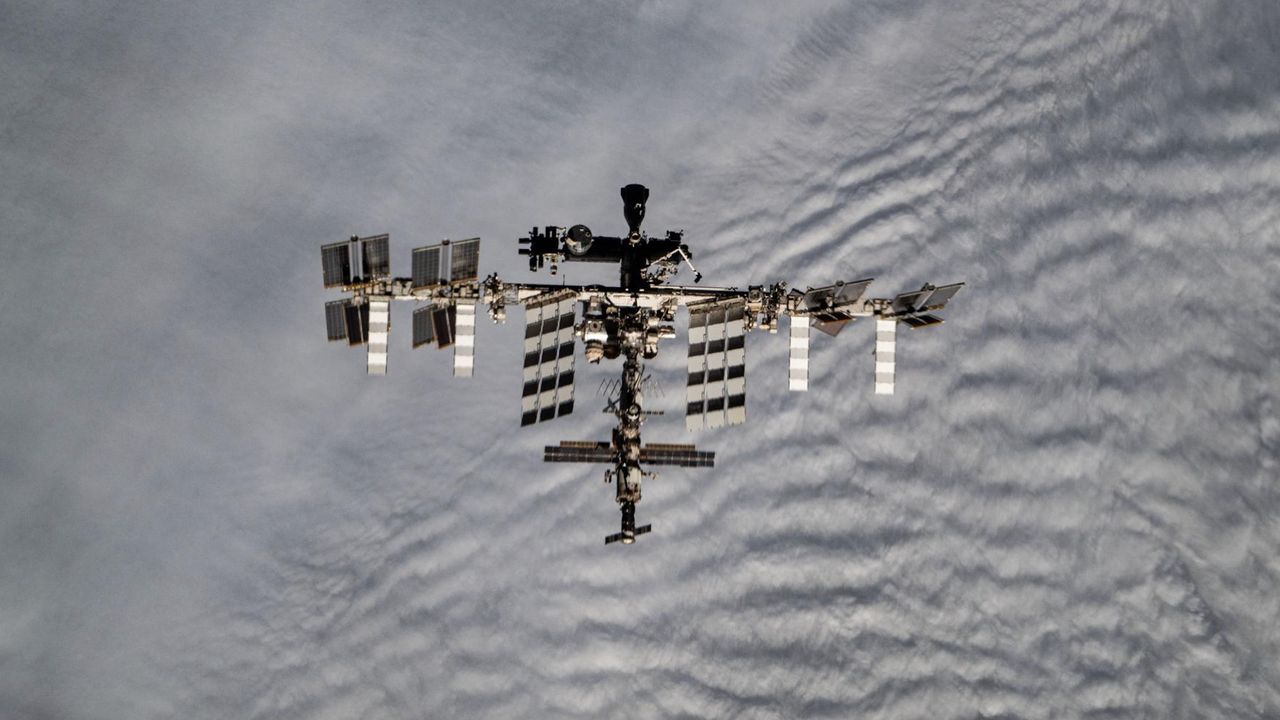
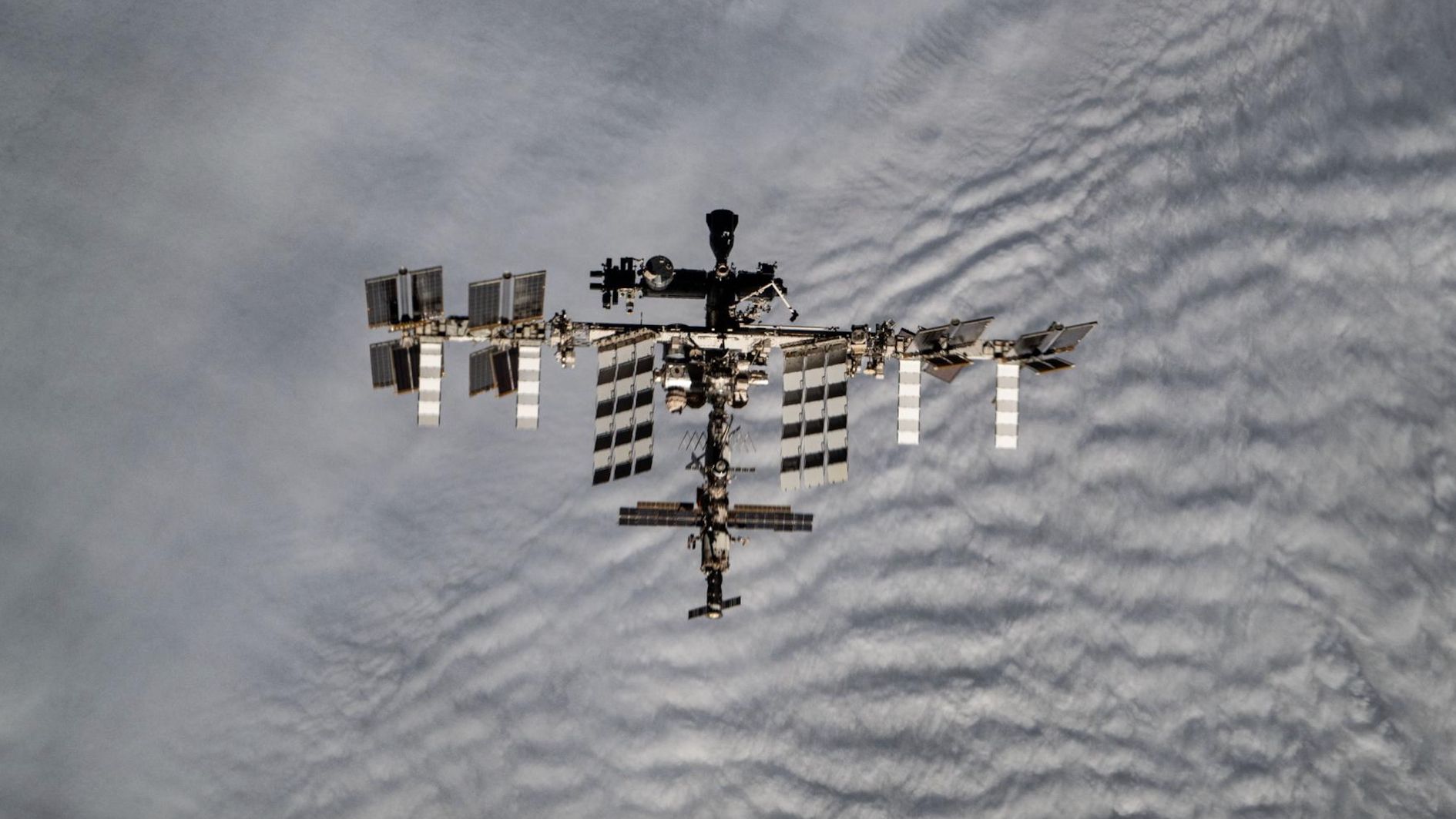
The International Space Station could keep flying a bit longer than we thought.

The orbiting lab, which has hosted rotating astronaut crews continuously since November 2000, is currently slated to be deorbited in late 2030. However, a newly advanced NASA Authorization bill pushes that retirement back by two years, to Sept. 30, 2032.

The goal of the extension is “to avoid a gap in continuous human presence and capabilities in LEO [low Earth orbit], thus avoiding ceding leadership to China before commercial stations are ready,” the U.S. Senate Committee on Commerce, Science and Transportation wrote in a summary of the bill, which it approved on Wednesday (March 4).


You may like

Staying ahead of China in human spaceflight is a key priority of the committee and its chairman, Sen. Ted Cruz (R-Texas).

Last September, for example, the committee held a hearing titled “There’s a Bad Moon on the Rise,” which stressed the importance of returning astronauts to the lunar surface with NASA’s Artemis program before China can pull off the feat (which the nation plans to do by 2030). But it wasn’t all moon talk.

“This is a pivotal moment for our nation’s space program,” Cruz said during the September hearing. “America must maintain leadership in low Earth orbit while also embarking on a new era of exploration with Artemis.”

And U.S. leadership in LEO is under threat.

Breaking space news, the latest updates on rocket launches, skywatching events and more!

China got a crewed foothold in LEO in 2021, when it launched the core module of its Tiangong space station. The nation finished building the T-shaped, three-module Tiangong in late 2022 and apparently plans to operate it into the mid-2030s.

The United States, meanwhile, plans to replace the aging ISS with one or more commercial outposts. NASA has been encouraging the development of such stations via its Commercial LEO Destinations program, which has awarded more than $500 million since its establishment in 2021, most of it to Jeff Bezos’ Blue Origin and Voyager Technologies, two companies leading the planned Orbital Reef and Starlab space stations, respectively.

Other outposts are in the works, too. The California startup Vast, for example, just raised $500 million for its planned Haven-2 station. And the Houston company Axiom Space aims to operate its own LEO outpost, which will consist of modules that originally launched to, and docked with, the ISS.


What to read next

The companies behind all of these commercial outposts plan to get them up and running before 2030. But the newly advanced NASA Authorization bill suggests the Senate committee is skeptical of its ability to meet that timeline.

Indeed, it instructs NASA not to begin phasing out the ISS until a successor is operational.

“When one or more commercial space stations is capable of providing services to the National Aeronautics and Space Administration, the Administrator shall begin the process of an orderly, managed transition of operations from the International Space Station to commercial providers in such a way as to maintain a continuous human presence,” the bill states.

There’s quite a bit else to chew on in the NASA Authorization bill, which was introduced in March 2025. (The version that the Senate committee just passed is a revision of that original bill.)

For instance, it rejects President Trump’s planned 24% cut to NASA funding, allocating $24.7 billion to NASA for fiscal year 2026 and $25.3 billion for fiscal year 2027. (Trump’s budget request allocated just $18.8 billion to NASA for the current year.) The bill also directs NASA to start building a crewed base on the moon, which is already a key objective of the Artemis program.

“The lunar base will be capable of long-duration habitation, as well as robotic and human-tended industrial operations to advance science, technology and strategic interests,” reads a press release issued by the Senate science committee on Wednesday.

“A sustained human and robotic presence at the lunar base will support priority scientific investigations that lay the foundation for a successful mission to Mars,” the release adds.

Advancing out of committee is just one step for the NASA Authorization bill. To become law, it will also have to be approved by the full Senate and the House of Representatives, then be signed by President Trump.

Tags: Jeff BezosNASArocket launchspace station
No Result
View All Result

Recent Posts

  • NASA Astronauts to Answer Questions from Students in New York
  • Spectacular fireball over Europe sends meteorite crashing through roof of German home
  • Smart telescope buying made easy: Your guide to Unistellar, ZWO, Celestron, Dwarflab, and Vaonis
  • SpaceX’s Ship 39 is so cool in Starship V3 test| Space photo of the day for March 9, 2026
  • Future spacecraft could fix their own damage using ‘self-healing’ materials

Categories

  • Excursions
  • Kepler Mission
  • NASA
  • NASA Breaking News
  • Physical Preparation
  • Preparation
  • Space News
  • Space Station News
  • Spacewalks
  • Tours
  • Uncategorized
  • Weightlessness Training
  • What Not to Pack
  • What to Pack

Meta

  • Log in
  • Entries feed
  • Comments feed
  • WordPress.org
  • Home
  • Start Here
  • Preparing for Your Trip
  • Space Tourism Companies
  • Space Tours
  • Contact

© 2026 JNews - Premium WordPress news & magazine theme by Jegtheme.

No Result
View All Result
  • About
  • Contact
  • Feeds
  • Frequently Asked Questions
  • Preparing for Your Trip
    • Insurance and Legal Waivers
    • Physical and Medical Requirements
    • Training Programs
    • What to Expect
  • Privacy Policy
  • Space Tourism Companies
    • Axiom Space
    • Blue Origin
    • Blue Origin vs Virgin Galactic
    • Comparison Chart: Features, Pricing, Booking
    • SpaceX
    • Virgin Galactic
    • World View (stratospheric balloon flights)
  • Space Tours
    • Custom & Luxury Packages
    • Duration, Training, Costs
    • Experiences
    • Future Moon/Mars Options
    • Orbital Flights
    • Parabolic Flight Experiences
    • Private Missions
    • Stratospheric Balloon Flights
    • Suborbital Flights
    • Zero-Gravity Flights
  • Spaceflight Technologies
    • Space Tourism Balloon
  • Start Here
    • How to Book a Space Tour
    • Intro to Commercial Spaceflight
    • Is Space Tourism Safe?
    • Space Travel FAQs
    • View Earth from the Edge
    • What to Pack
  • Tours in Space is your launchpad to the world of space tourism

© 2026 JNews - Premium WordPress news & magazine theme by Jegtheme.