• Home
  • About
  • FAQ
  • Feeds
  • Glossary
  • Contact
Tours In Space
  • Home
  • Start Here
    • Intro to Commercial Spaceflight
    • How to Book a Space Tour
    • Is Space Tourism Safe?
    • Space Travel FAQs
    • View Earth from the Edge
    • What to Pack
  • Preparing for Your Trip
    • Insurance and Legal Waivers
    • Physical and Medical Requirements
    • Training Programs
    • What to Expect
  • Space Tourism Companies
    • Axiom Space
    • Blue Origin
    • SpaceX
    • Virgin Galactic
    • World View (stratospheric balloon flights)
    • Blue Origin vs Virgin Galactic
    • Comparison Chart: Features, Pricing, Booking
  • Space Tours
    • Custom & Luxury Packages
    • Duration, Training, Costs
    • Experiences
    • Future Moon/Mars Options
    • Orbital Flights
    • Parabolic Flight Experiences
    • Private Missions
    • Stratospheric Balloon Flights
    • Suborbital Flights
    • Zero-Gravity Flights
  • Spaceflight Technologies
    • Space Tourism Balloon
No Result
View All Result
  • Home
  • Start Here
    • Intro to Commercial Spaceflight
    • How to Book a Space Tour
    • Is Space Tourism Safe?
    • Space Travel FAQs
    • View Earth from the Edge
    • What to Pack
  • Preparing for Your Trip
    • Insurance and Legal Waivers
    • Physical and Medical Requirements
    • Training Programs
    • What to Expect
  • Space Tourism Companies
    • Axiom Space
    • Blue Origin
    • SpaceX
    • Virgin Galactic
    • World View (stratospheric balloon flights)
    • Blue Origin vs Virgin Galactic
    • Comparison Chart: Features, Pricing, Booking
  • Space Tours
    • Custom & Luxury Packages
    • Duration, Training, Costs
    • Experiences
    • Future Moon/Mars Options
    • Orbital Flights
    • Parabolic Flight Experiences
    • Private Missions
    • Stratospheric Balloon Flights
    • Suborbital Flights
    • Zero-Gravity Flights
  • Spaceflight Technologies
    • Space Tourism Balloon
No Result
View All Result
Tours In Space
No Result
View All Result
Home Uncategorized

Improved thresholds and SSA accuracy can reduce most satellite collision risk

Ensign by Ensign
April 9, 2026
in Uncategorized
0
Improved thresholds and SSA accuracy can reduce most satellite collision risk
189
SHARES
1.5k
VIEWS
Share on FacebookShare on Twitter
image

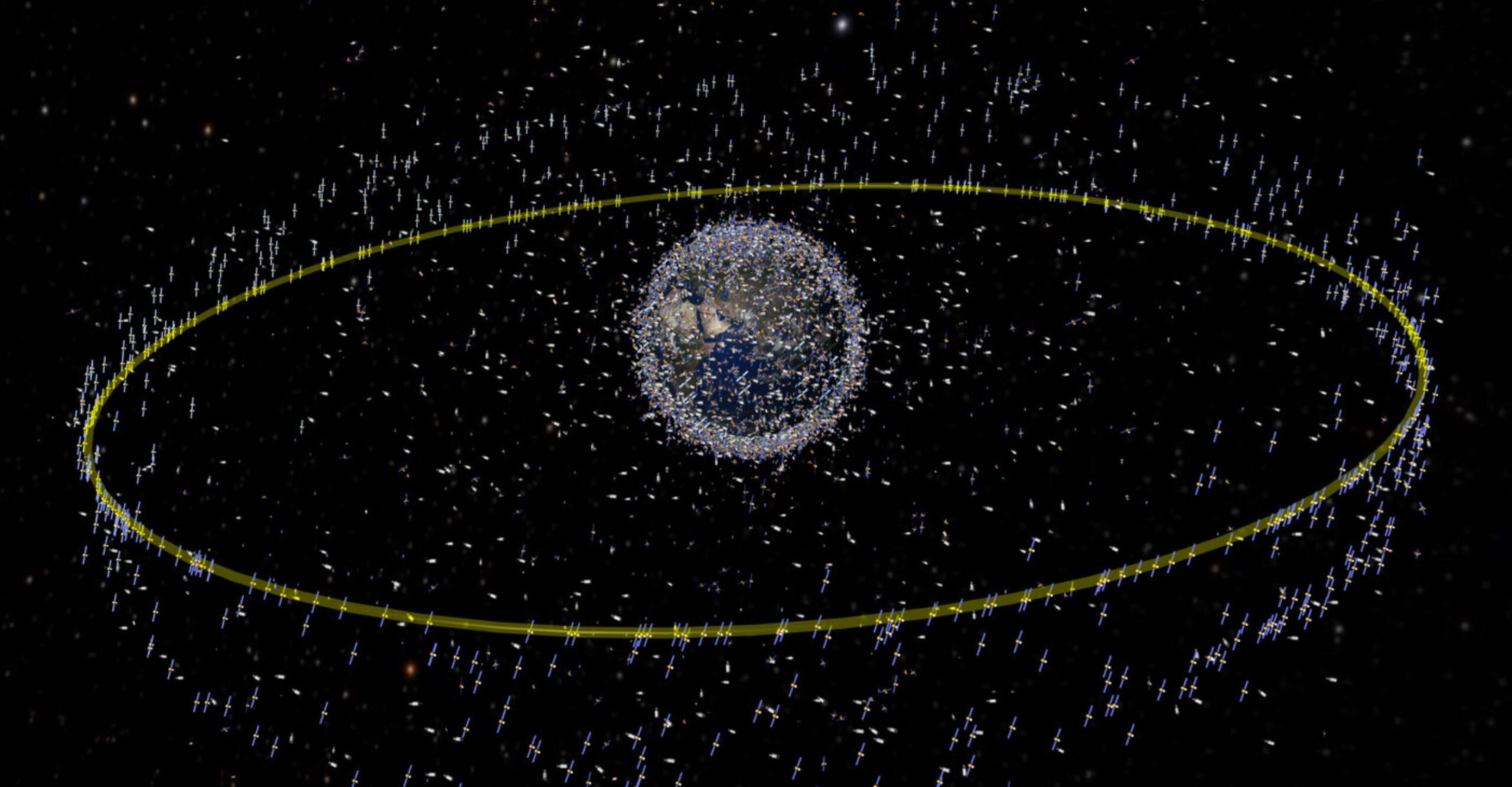
WASHINGTON — Improving the accuracy of space situational awareness (SSA) data and using tighter thresholds for potential conjunctions can help retire most of the risk of satellite collisions in low Earth orbit, a new study concludes.

Research presented April 8 at the 5th IAA Conference on Space Situational Awareness in Madrid by COMSPOC found that most satellite operators only eliminate 7% of the potential collision risk based on the current accuracy of SSA data and the thresholds they use for determining when a potential conjunction warrants action.

The analysis, said COMSPOC’s Daniel Oltrogge in an interview, is based on modeling of objects in orbit with estimates of their size from different databases. The 7% estimate uses the current accuracy of SSA data and a 1-in-10,000 threshold of a potential collision to take actions such as maneuvering, a threshold used by many operators.

Sign up for First Up: Get the latest updates on SpaceX, Artemis, NASA and more. From Jeff Foust, First Up is a recap of the day’s space industry news, including civil, commercial, and military space developments.

By submitting this form, you agree to the SpaceNews privacy policy and terms and conditions and to receive email from us and our partners. You can opt-out at any time.

“So that’s quite scary, and it calls into question the efficacy of using the processes they’ve been using,” he said.

One solution is to tighten that threshold. Going to a 1-in-1,000,000 threshold would retire 75% of the risk. However, he noted that greatly increases the number of potential conjunctions operators must deal with, which is why few operators, other than SpaceX, use that threshold. “It’s going to flood their system if they go to a really stringent threshold for a given accuracy,” he said.

Another approach is improving the accuracy of SSA data. A factor of 10 improvement in that accuracy of data would retire about 75% of the risk even with the current 1-in-10,000 threshold.

“And if we were to use the sort of threshold that SpaceX is using, that would be close to zero,” Oltrogge said. Using that 1-in-1,000,000 threshold with improved SSA data would reduce the remaining risk of collisions to 8%.

“It’s not that anyone is intentionally doing a bad job” at collision avoidance, he said, but they are limited by the accuracy of current SSA data and the ability to deal with large numbers of conjunction warnings using higher thresholds.

“Typical operators seem to be only retiring 7% of collision risk using the relatively easy threshold of 1-in-10,000, and if we can have a more stringent threshold and 10 times better accuracy, we can really get most of the collision risk addressed,” he said.

That is already demonstrated to some degree by SpaceX’s operation of Starlink, with the company using a threshold around 1-in-1,000,000 and having much better knowledge of the positions of its own satellites than standard SSA accuracy. “What Starlink is doing is effective,” he said, given the lack of collisions.

Oltrogge said there is a good plan to improve SSA accuracy, involving the community of companies that specialize in SSA data collaborating with government agencies and spacecraft operators. That would include fusing data from different sources and sharing maneuver data provided by satellite operators, along with information about space weather conditions.

“We think this is very doable,” he concluded. “It’s just not something that we’ve seen the government really focusing on that much in terms of this level of collaboration and using better analytics and data fusion.”

Tags: SpaceXStarlink
No Result
View All Result

Recent Posts

  • Improved thresholds and SSA accuracy can reduce most satellite collision risk
  • Space Sovereignty Is No Longer Optional
  • ‘Audible screams of delight’ from NASA scientists over micrometeorite impacts on the moon witnessed by Artemis 2 astronauts
  • April 30: Opportunities for On-Orbit Computing
  • Tracking the next SDA challenge

Categories

  • Excursions
  • Kepler Mission
  • NASA
  • NASA Breaking News
  • Physical Preparation
  • Preparation
  • Space News
  • Space Station News
  • Spacewalks
  • Tours
  • Uncategorized
  • Weightlessness Training
  • What Not to Pack
  • What to Pack

Meta

  • Log in
  • Entries feed
  • Comments feed
  • WordPress.org
  • Home
  • Start Here
  • Preparing for Your Trip
  • Space Tourism Companies
  • Space Tours
  • Contact

© 2026 JNews - Premium WordPress news & magazine theme by Jegtheme.

No Result
View All Result
  • About
  • Contact
  • Feeds
  • Frequently Asked Questions
  • Preparing for Your Trip
    • Insurance and Legal Waivers
    • Physical and Medical Requirements
    • Training Programs
    • What to Expect
  • Privacy Policy
  • Space Tourism Companies
    • Axiom Space
    • Blue Origin
    • Blue Origin vs Virgin Galactic
    • Comparison Chart: Features, Pricing, Booking
    • SpaceX
    • Virgin Galactic
    • World View (stratospheric balloon flights)
  • Space Tours
    • Custom & Luxury Packages
    • Duration, Training, Costs
    • Experiences
    • Future Moon/Mars Options
    • Orbital Flights
    • Parabolic Flight Experiences
    • Private Missions
    • Stratospheric Balloon Flights
    • Suborbital Flights
    • Zero-Gravity Flights
  • Spaceflight Technologies
    • Space Tourism Balloon
  • Start Here
    • How to Book a Space Tour
    • Intro to Commercial Spaceflight
    • Is Space Tourism Safe?
    • Space Travel FAQs
    • View Earth from the Edge
    • What to Pack
  • Tours in Space is your launchpad to the world of space tourism

© 2026 JNews - Premium WordPress news & magazine theme by Jegtheme.