
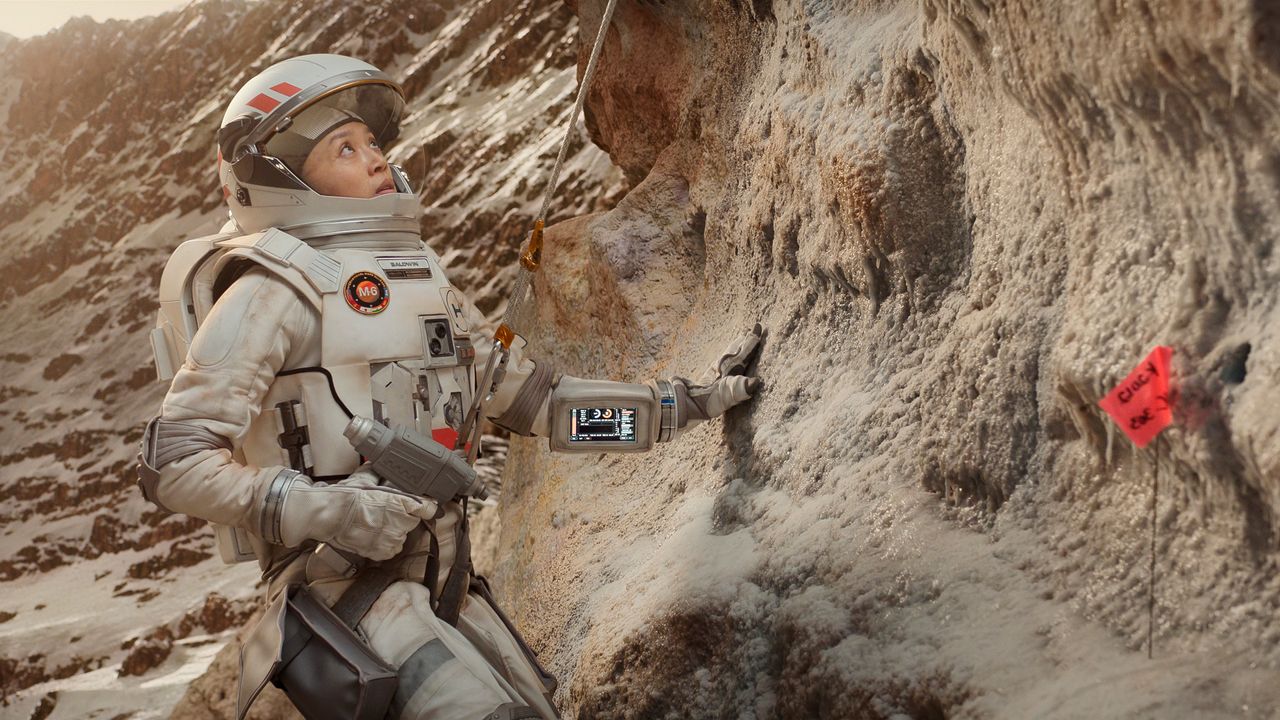

Apple TV’s absorbing alt-history sci-fi show, For All Mankind, blasted off into its fifth season on March 27, as animosity is quickly escalating between the citizens of Earth and the flourishing Mars colony called Happy Valley.
Before season 5’s launch, the streamer renewed the hit series for a sixth and final season, which will bring the space saga to a fitting conclusion after a successful run as one of Apple TV’s earliest exclusives. This interplanetary outing picks up nine years after the Goldilocks asteroid heist in 2012 as a new generation emerges while our principal characters enjoy their silver years.
Article continues below
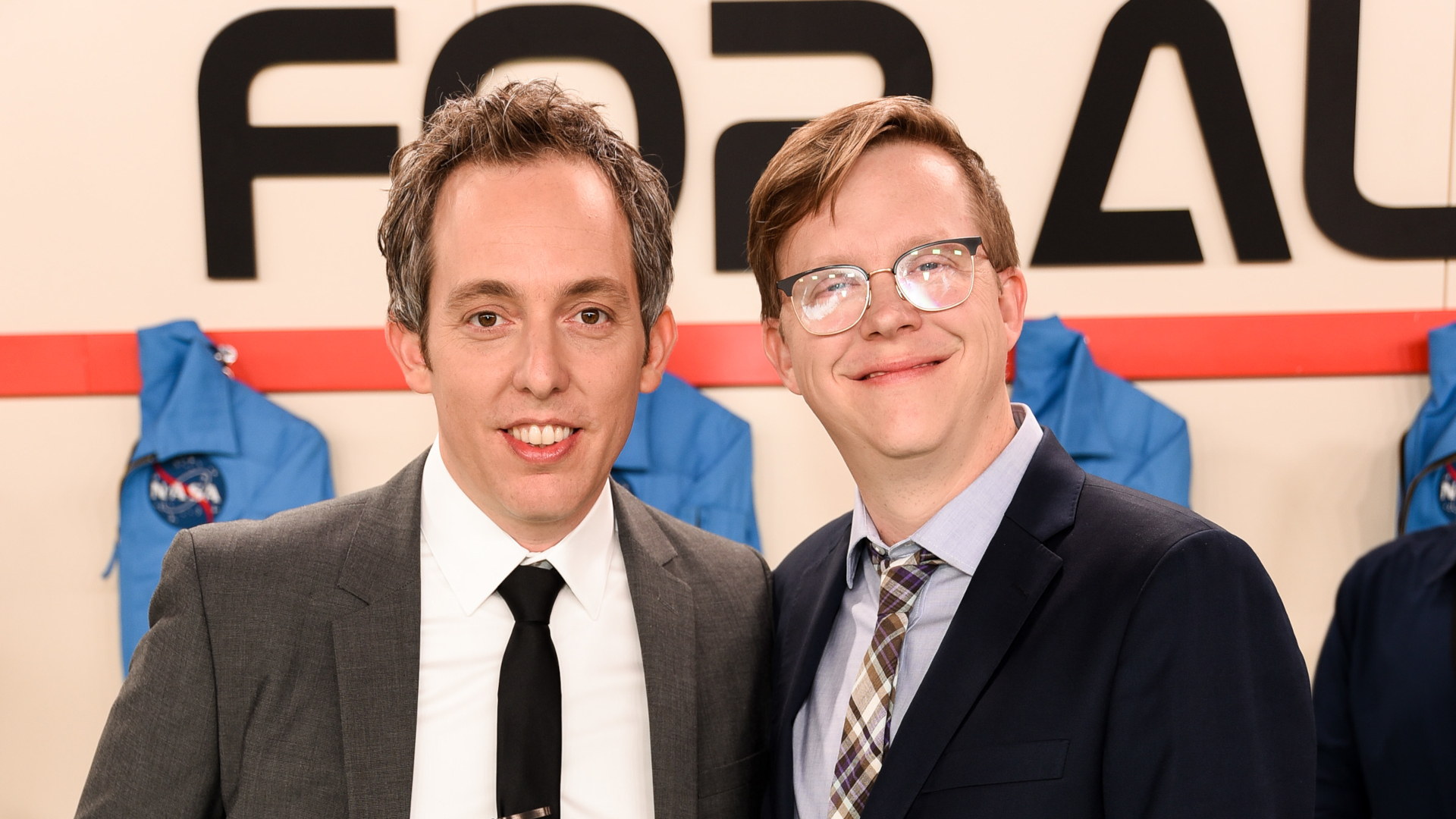
“I think what we were most excited to explore is the evolution of this Mars colony 20-plus years after its founding,” Wolbert tells Space. “And how that would change from a place people first explored, and then when they went to work and create industry, and now it’s become a home.
“Technology has advanced where there’s radiation shielding, and now people can bring their families to live on Mars. The sense of a Mars-y identity has started to form in a way that’s creating conflict with the home planet, and that’s the story we tell over the season’s course.”
One fascinating facet of “For All Mankind” is its mirroring of the 18th-century events that led to the American Revolution and the colonists breaking away from their powerful British motherland.

“What we found interesting was the amount of time it took to get from England to New England was very similar to the amount of time on our show that it takes to get from Mars to Earth,” notes Nedivi.
“In some ways, that gap and the control Earth still wants to have over Mars forms a lot of tension that you feel this season. That approach was something we take seriously. As much as we try to get the science right, we also try to reflect history. History repeats itself, and it feels like even on Mars, with all the advancements and technology, humans are still there, so we bring our problems and baggage.”
How these pioneering Mars colonists would begin to cultivate a distinct cultural identity after two decades — with their own unique customs, foods, and traditions aside from those back on Earth — is a subject matter that Nedivi and Wolbert were eager to explore. A tasty Mars Taco, anyone?
“One of the things people will see early on in the show is that they’re starting to grow their own crops,” Wolbert adds. “It’s things designed in an effort to become self-sustainable. We’ve referenced here and there throughout the season about distilleries that make the alcohol up there, or the lab-grown meat, because they’re not shipping cows up to Mars. While I do think they’d have elements of culture that grow organically, I think humans are also creatures of habit and would want that chicken sandwich or thing they love.
“But what is the Mars version of that? Our props department thinks through these things in fascinating ways that fans who pay attention to the details will see, like items on a menu in the restaurant. Like coffee is a crop that doesn’t grow well on Mars, so it’s probably going to be like dehydrated crystals.”
NASA’s Artemis 2 just blasted off to the moon, ushering in a renewed interest in human spaceflight. The showrunners have been pleasantly surprised by the synchronicity building between art and life as the series moves deeper into the timeline, inspiring both cast and creators.

“Honestly, it’s been a gift because when we started this show back in 2017, it was a shell of the excitement we’re feeling now almost every month,” notes Nedivi. “It’s crazy that we were just talking about Shackleton Crater and putting women on the moon, and now both things are happening.”
As we learn more about the Martian surface in real life, thanks to missions like Curiosity and Perseverance, that knowledge in turn informs sci-fi shows like “For All Mankind”.
“A lot of the photographs being taken on Mars directly inform our process of designing the surface of Mars,” explains Nedivi. “We pride ourselves on being as true to life as possible, so the fact that we have this incredible photography coming back all the time has been a real boon for visual effects and everyone. Because you’re seeing how it really looks, and it looks different than I think how movies portrayed it even five, ten, fifteen years ago.
“For us the challenge is staying ahead of the curve and making sure our science is as accurate and as close to reality as possible, which admittedly does get harder the further our show moves into the future and beyond Mars.”
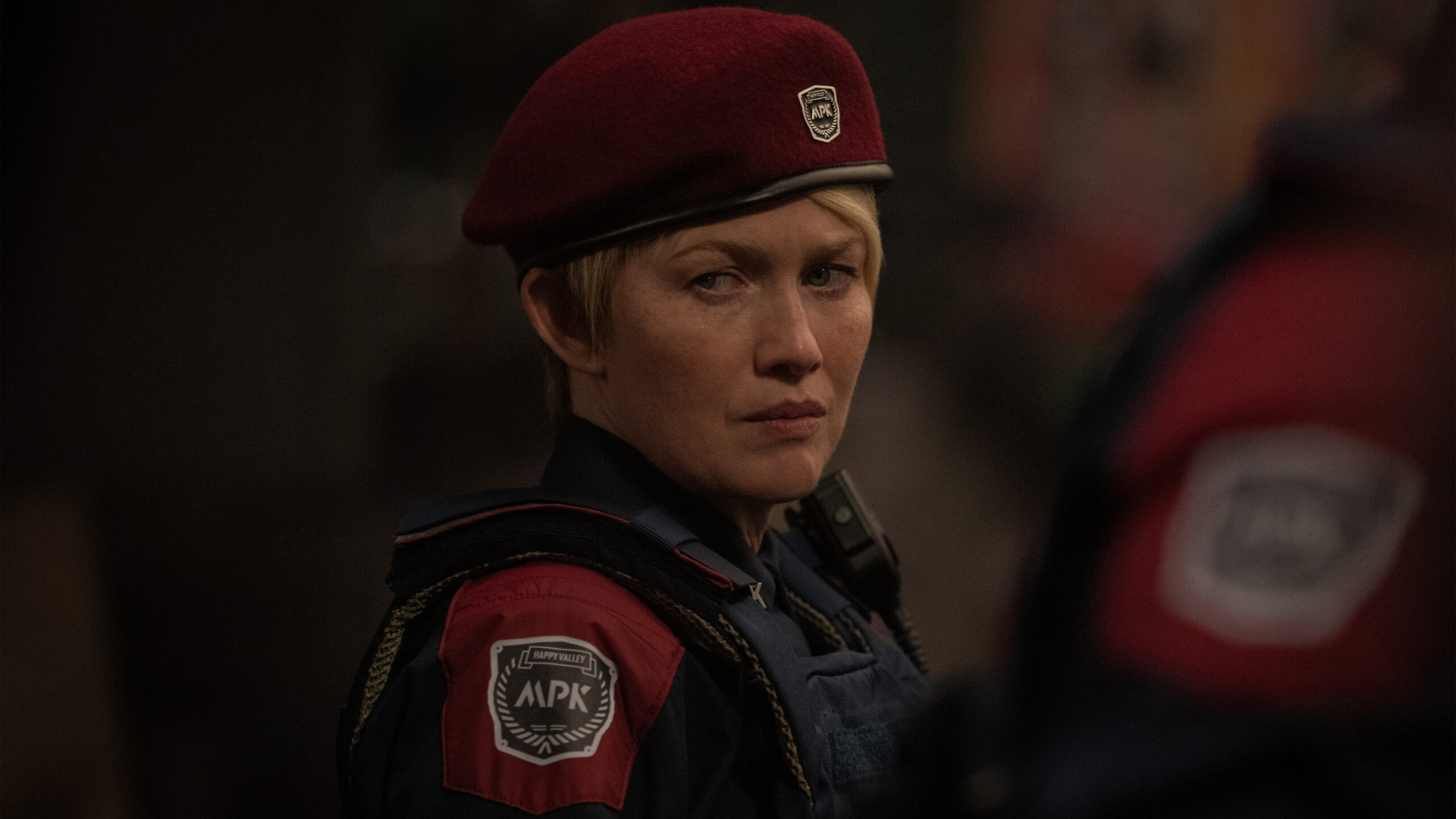
With a fresh season of “For All Mankind” comes major new cast members, including Mireille Enos, who plays Celia Boyd, the Martian version of a police officer.
“She represents a new facet of the world that was fascinating to us, which is what do laws look like on Mars?” says Wolbert. ‘What does security look like after a massive theft of an asteroid at the end of the previous season? What would Earth do to try to keep order, and how does that lead to the growing conflict? And Mireille, who people probably know from ‘The Killing,’ where she starred with Joel [Kinnaman], brings such subtlety and gravitas to this role.”
As the show’s other characters and astronauts are closing in on their Eighties, Nedivi and Wolbert were keen on reinforcing venerable characters with a younger generation. In season 5, this included talented performers such as Sean Kaufman, Ruby Cruz, and Ines Asserson.
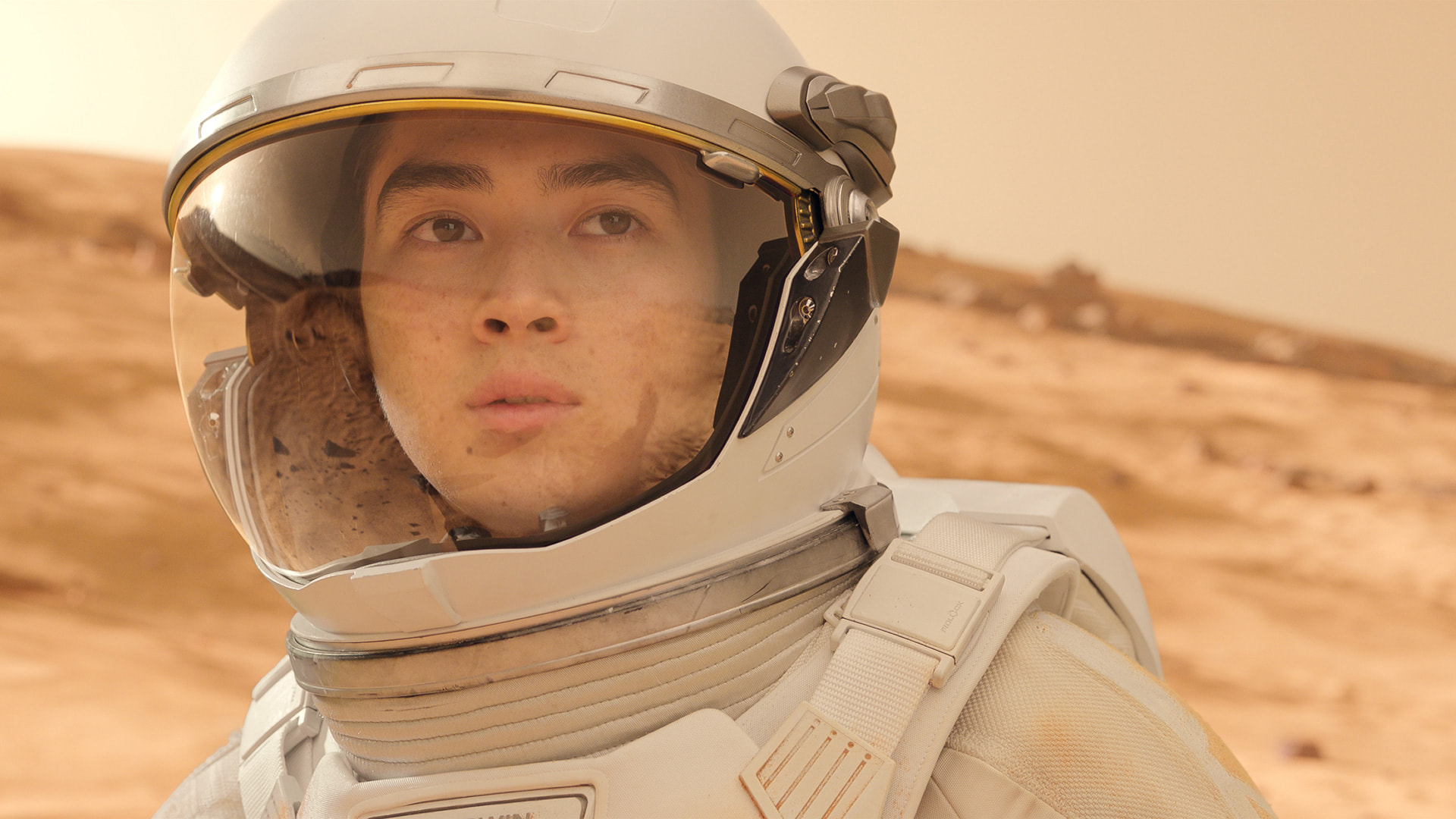
“Alex and Lily are the children of our other characters from previous seasons, so we’re able to tell a real generational story,” Nedivi explains. “Now we’re going on to the third generation. You’re seeing not just the children of our season 1 characters, but now the grandchildren. That’s a really unique storytelling opportunity. It also allows you to tell the story of Alex and the idea of what it would be like to grow up on Mars. Where being on Mars is your small town, and Earth is the exotic place you dream of.
“There’s a scene in episode 1 where Alex is wearing VR goggles, and it’s him standing on a beach with his feet in the water. For a kid like him, the idea of being on a beach with water is a fantasy. That scene was important to us because we were trying to give the audience that sense of Mars being a normal place for these people. This is a home.”
Co-created by Ronald D. Moore, “For All Mankind” season 5 is now streaming on Apple TV with new episodes airing each Friday.