• Home
  • About
  • FAQ
  • Feeds
  • Glossary
  • Contact
Tours In Space
  • Home
  • Start Here
    • Intro to Commercial Spaceflight
    • How to Book a Space Tour
    • Is Space Tourism Safe?
    • Space Travel FAQs
    • View Earth from the Edge
    • What to Pack
  • Preparing for Your Trip
    • Insurance and Legal Waivers
    • Physical and Medical Requirements
    • Training Programs
    • What to Expect
  • Space Tourism Companies
    • Axiom Space
    • Blue Origin
    • SpaceX
    • Virgin Galactic
    • World View (stratospheric balloon flights)
    • Blue Origin vs Virgin Galactic
    • Comparison Chart: Features, Pricing, Booking
  • Space Tours
    • Custom & Luxury Packages
    • Duration, Training, Costs
    • Experiences
    • Future Moon/Mars Options
    • Orbital Flights
    • Parabolic Flight Experiences
    • Private Missions
    • Stratospheric Balloon Flights
    • Suborbital Flights
    • Zero-Gravity Flights
  • Spaceflight Technologies
    • Space Tourism Balloon
No Result
View All Result
  • Home
  • Start Here
    • Intro to Commercial Spaceflight
    • How to Book a Space Tour
    • Is Space Tourism Safe?
    • Space Travel FAQs
    • View Earth from the Edge
    • What to Pack
  • Preparing for Your Trip
    • Insurance and Legal Waivers
    • Physical and Medical Requirements
    • Training Programs
    • What to Expect
  • Space Tourism Companies
    • Axiom Space
    • Blue Origin
    • SpaceX
    • Virgin Galactic
    • World View (stratospheric balloon flights)
    • Blue Origin vs Virgin Galactic
    • Comparison Chart: Features, Pricing, Booking
  • Space Tours
    • Custom & Luxury Packages
    • Duration, Training, Costs
    • Experiences
    • Future Moon/Mars Options
    • Orbital Flights
    • Parabolic Flight Experiences
    • Private Missions
    • Stratospheric Balloon Flights
    • Suborbital Flights
    • Zero-Gravity Flights
  • Spaceflight Technologies
    • Space Tourism Balloon
No Result
View All Result
Tours In Space
No Result
View All Result
Home Space News

The Leonid meteor shower peaks tonight: Here’s where to look for ‘shooting stars’

Ensign by Ensign
November 17, 2025
in Space News
0
The Leonid meteor shower peaks tonight: Here’s where to look for ‘shooting stars’
189
SHARES
1.5k
VIEWS
Share on FacebookShare on Twitter

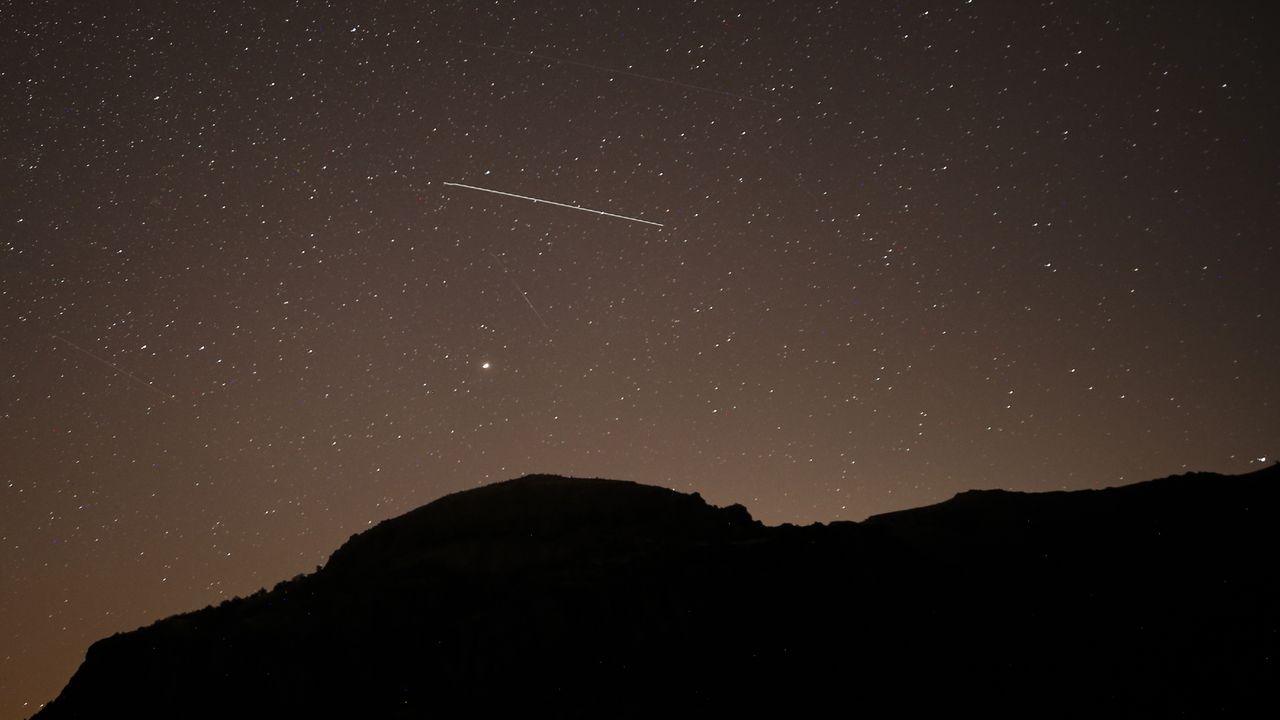
Heads up stargazers! The Leonid meteor shower peaks tonight, bringing a flurry of shooting stars to the night sky as Earth passes through the trail of debris shed by comet 55P/Tempel-Tuttle.

The Leonid meteor shower is active from Nov. 3 to Dec 2 and peaks overnight on Nov. 16-17, when up to 10 meteors per hour may be visible radiating from a patch of sky in the constellation Leo, according to the American Meteor Society.

Meteors, or “shooting stars” occur when fragments of ancient comets slam into Earth‘s atmosphere at tens of thousands of miles per hour, burning up in a brilliant fiery display. Larger pieces can give rise to brilliant fireballs, which can outshine even the brightest planets in the night sky.


You may like

What time should I look for the Leonids?

The best time to look for Leonids is late at night on Nov. 16 through to the hours preceding dawn on Nov. 17, when the constellation Leo will be positioned high above the eastern horizon, with Jupiter shining brightly to its upper right. Look for a patch of sky roughly 40 degrees above the radiant in Leo, that’s roughly the width of four clenched fists held at arm’s length, where the meteor trails will be at their longest.

A man with a white moustache and graying hair with glasses on top of his head and a navy jacket stands in front of a frozen lake with snow in the background

Robert Lunsford

Robert Lunsford is the fireball report coordinator, newsletter editor and treasurer at the American Meteor Society, one of the leading sources of information on meteor showers.

“On the morning of November 17th I would expect observers of the Leonid shower to see 5-10 meteors per hour,” Robert Lunsford of the American Meteor Society told Space.com in an email. “It falls off rapidly, [so] I would expect rates of only 5 [shooting stars] per hour on the following morning and another 50 percent drop off on each of the following mornings.”
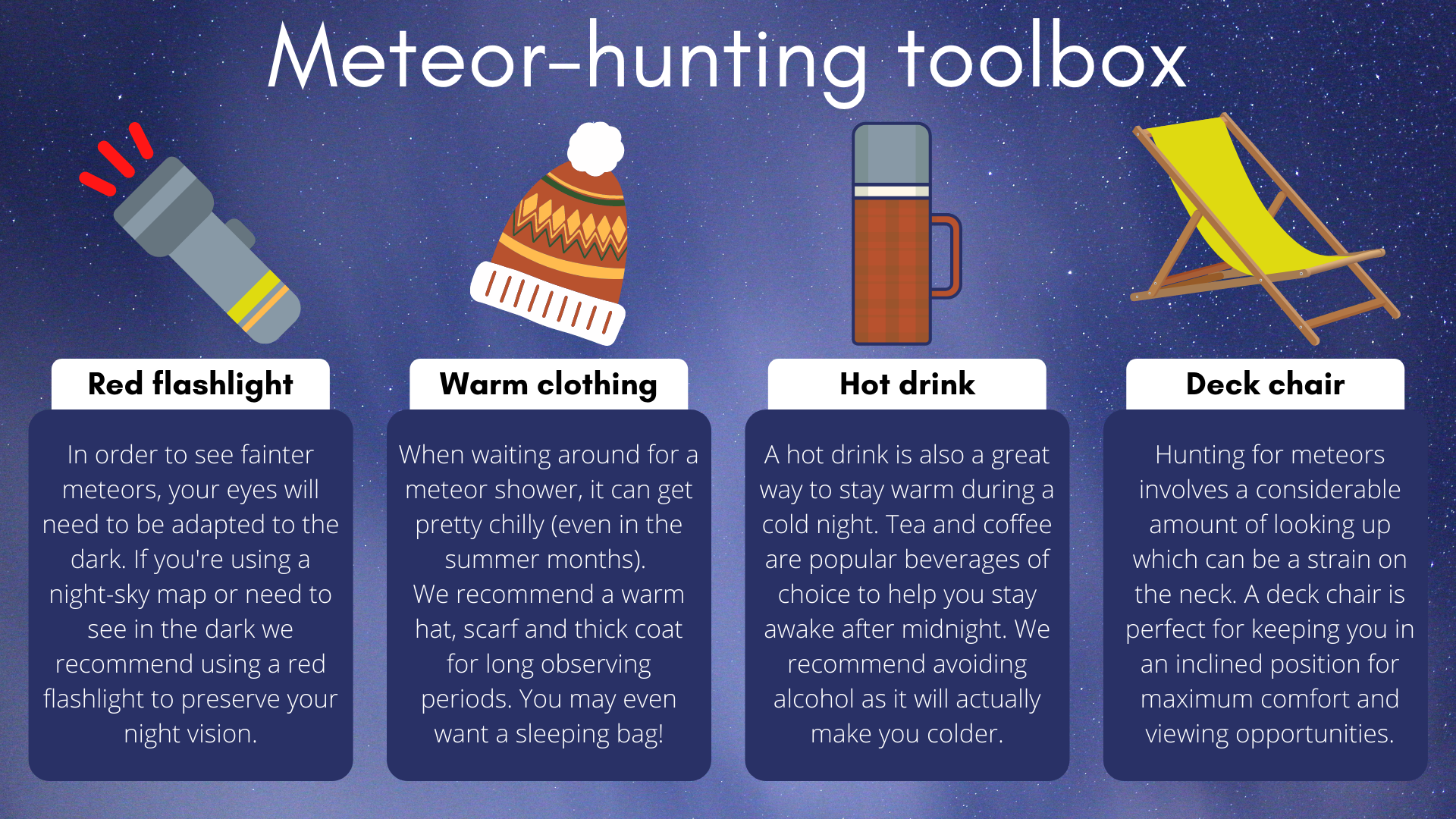
Infographic with a ref flashlight, woolly hat, flask and a deck chair.

A red flashlight, warm clothing, a hot drink and a comfortable chair are useful during a night of meteor-hunting. (Image credit: Future)

Be sure to wear warm clothing to combat the cold and allow at least 30 minutes for your eyes to adjust fully to the dark, to give yourself the best chance of spotting fainter members of the annual shower. Try to use a red light if you need to look around, as this will help keep your night vision intact over a standard flashlight!

Nikon Z8
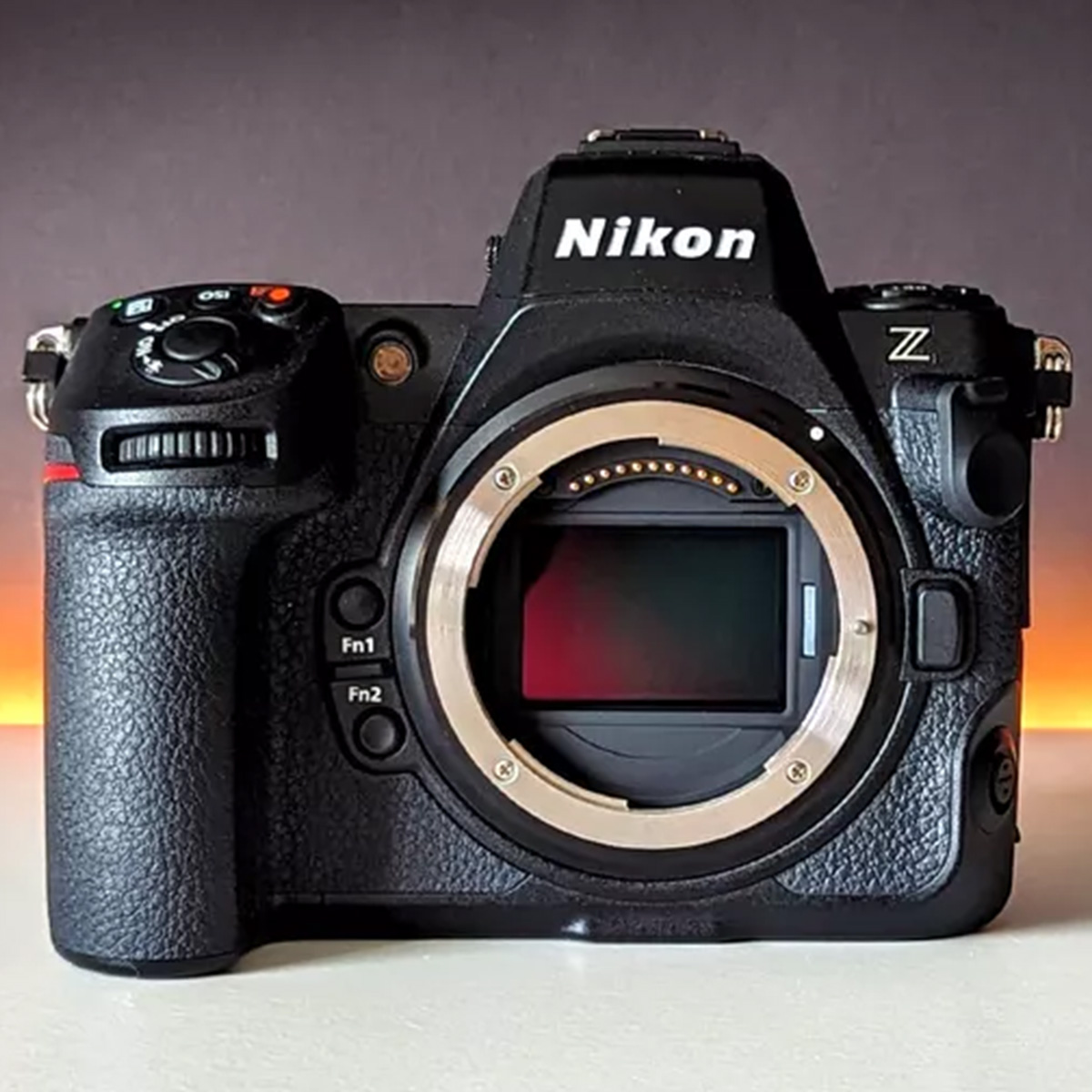
The Nikon Z8 body sat on a white surface

(Image credit: Jason Parnell-Brookes)

Want to capture a fiery shooting star for yourself? We rate the Nikon Z8 as the best overall camera out there! Be sure to check out our Nikon Z8 review for a more in-depth look at its capabilities.

The Leonid meteor shower is known for producing spectacular meteor storms on occasion, when hundreds, or even thousands of meteors can be seen brightening the night sky each hour. Sadly, Earth isn’t due to pass through a particularly dense cloud of cometary debris from 55P/Tempel-Tuttle until the year 2099.

Breaking space news, the latest updates on rocket launches, skywatching events and more!

Want to photograph a shooting star? Then be sure to check out our guide to imaging meteor showers, along with our roundups of the best cameras and lenses available for astrophotography in 2025.

<em>Editor’s Note: If you would like to share your meteor images with Space.com’s readers, then please send your photo(s), comments, name and location to spacephotos@space.com.

Tags: rocket launch
No Result
View All Result

Recent Posts

  • Germany outlines military space priorities in new strategy
  • Saturn’s rings will seem to disappear on Nov. 23: Here’s how to catch the illusion
  • Does the universe have extra dimensions hiding in plain sight?
  • Canon 8×20 IS binocular review
  • European Parliament member sees support for EU Space Act there

Categories

  • Excursions
  • Kepler Mission
  • NASA
  • NASA Breaking News
  • Physical Preparation
  • Preparation
  • Space News
  • Space Station News
  • Spacewalks
  • Tours
  • Uncategorized
  • Weightlessness Training
  • What Not to Pack
  • What to Pack

Meta

  • Log in
  • Entries feed
  • Comments feed
  • WordPress.org
  • Home
  • Start Here
  • Preparing for Your Trip
  • Space Tourism Companies
  • Space Tours
  • Contact

© 2025 JNews - Premium WordPress news & magazine theme by Jegtheme.

No Result
View All Result
  • About
  • Contact
  • Feeds
  • Frequently Asked Questions
  • Preparing for Your Trip
    • Insurance and Legal Waivers
    • Physical and Medical Requirements
    • Training Programs
    • What to Expect
  • Privacy Policy
  • Space Tourism Companies
    • Axiom Space
    • Blue Origin
    • Blue Origin vs Virgin Galactic
    • Comparison Chart: Features, Pricing, Booking
    • SpaceX
    • Virgin Galactic
    • World View (stratospheric balloon flights)
  • Space Tours
    • Custom & Luxury Packages
    • Duration, Training, Costs
    • Experiences
    • Future Moon/Mars Options
    • Orbital Flights
    • Parabolic Flight Experiences
    • Private Missions
    • Stratospheric Balloon Flights
    • Suborbital Flights
    • Zero-Gravity Flights
  • Spaceflight Technologies
    • Space Tourism Balloon
  • Start Here
    • How to Book a Space Tour
    • Intro to Commercial Spaceflight
    • Is Space Tourism Safe?
    • Space Travel FAQs
    • View Earth from the Edge
    • What to Pack
  • Tours in Space is your launchpad to the world of space tourism

© 2025 JNews - Premium WordPress news & magazine theme by Jegtheme.