
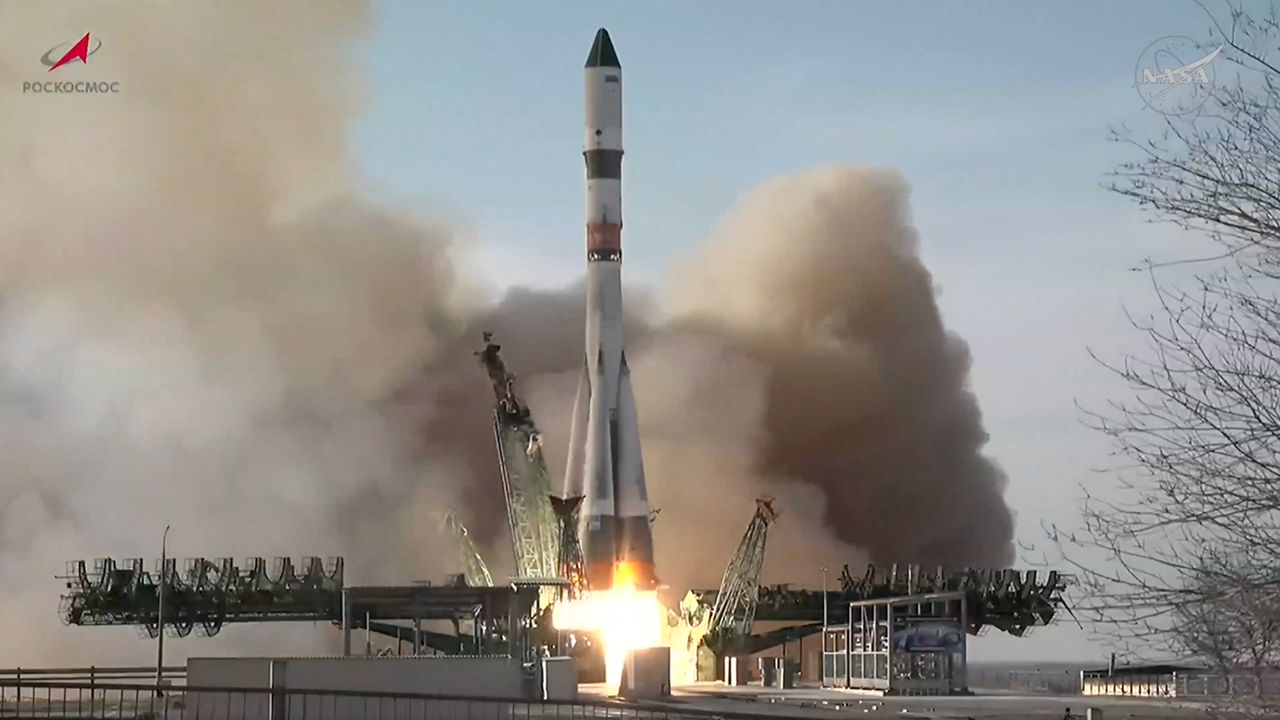

A Russian cargo spacecraft encountered a problem shortly after launching toward the International Space Station on Sunday morning (March 22), but it should be able to power through.
A Soyuz rocket topped with the robotic Progress 94 freighter lifted off from the Russia-run Baikonur Cosmodrome in Kazakhstan on Sunday at 7:59 a.m. EDT (1159 GMT; 4:59 p.m. local Baikonur time).
Article continues below
Following launch, one of the Progress spacecraft’s antennas used for automatic docking did not deploy as planned. All other systems are operating as designed, and Progress will continue toward its planned docking at 9:34 a.m. EDT on Tuesday, March 22. Troubleshooting will… pic.twitter.com/VoR2yiAWfCMarch 22, 2026
“All other systems are operating as designed, and Progress will continue toward its planned docking at 9:34 a.m. EDT on Tuesday, March 22,” agency officials said via X on Sunday. “Troubleshooting will continue and if the antenna cannot be deployed, Roscosmos cosmonaut Sergey Kud-Sverchkov will manually pilot the spacecraft through a backup system for rendezvous and docking at the space station.”
Progress 94 is carrying about 3 tons of food, propellant and other supplies to the astronauts currently living and working on board the International Space Station (ISS).
As NASA’s update notes, the freighter is expected to dock with the station’s Poisk module on Tuesday morning. Progress 94 will take the place of Progress 92, which undocked from Poisk on Monday (March 16).
You’ll be able to watch Progress 94’s arrival, with coverage beginning Tuesday at 8:45 a.m EDT (1245 GMT).
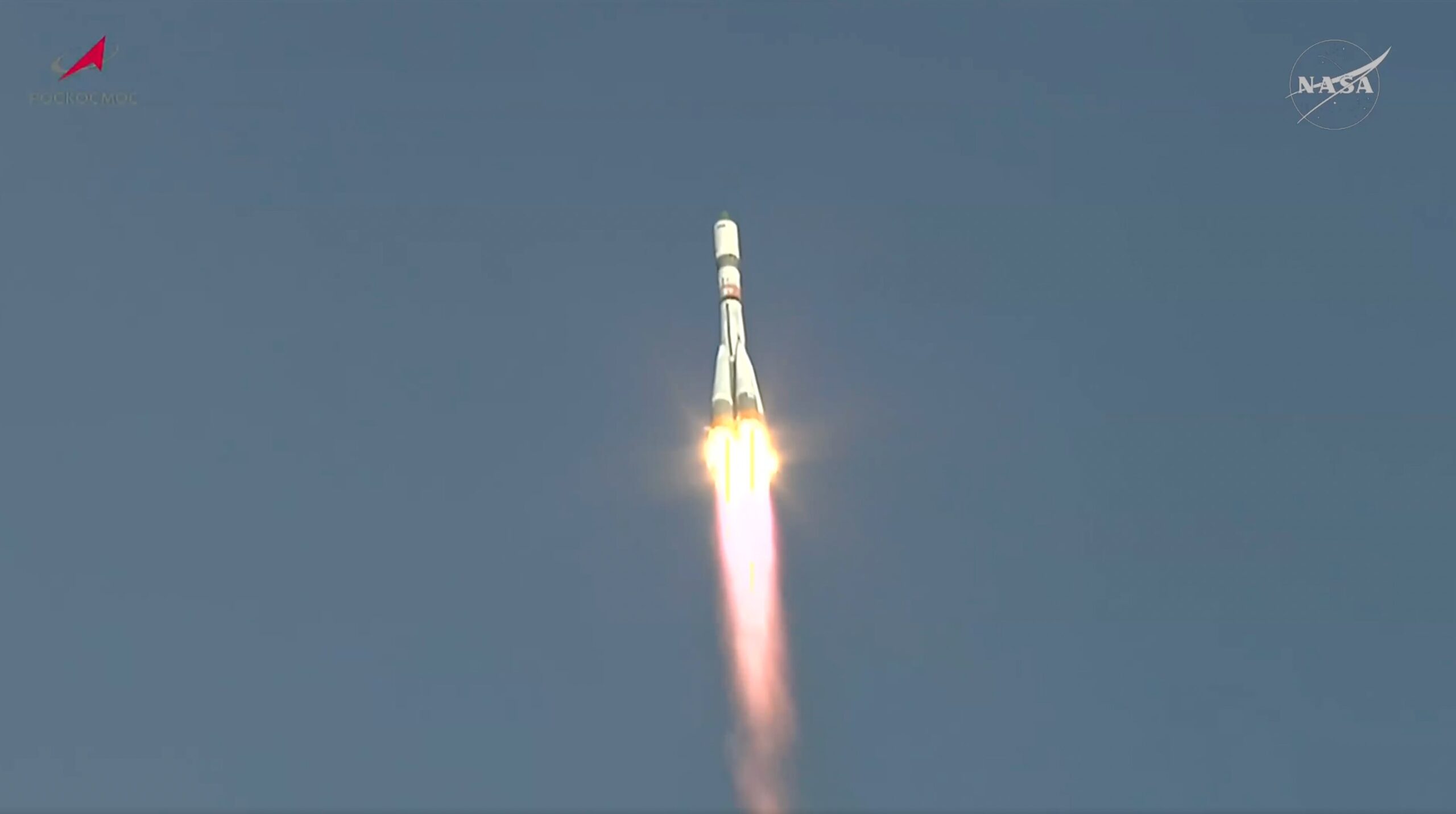
Progress 94 will spend about six months docked to the ISS. It will then be loaded up with trash and sent to burn up in Earth’s atmosphere.
Two other currently operational ISS cargo craft are similarly expendable — Japan’s HTV-X and Cygnus, which is built by the aerospace company Northrop Grumman. The only reusable freighter is SpaceX‘s Dragon capsule.
<em>Editor’s note: This story was updated at 10:45 a.m. ET on March 22 with news of launch and the antenna-deployment glitch.