• Home
  • About
  • FAQ
  • Feeds
  • Glossary
  • Contact
Tours In Space
  • Home
  • Start Here
    • Intro to Commercial Spaceflight
    • How to Book a Space Tour
    • Is Space Tourism Safe?
    • Space Travel FAQs
    • View Earth from the Edge
    • What to Pack
  • Preparing for Your Trip
    • Insurance and Legal Waivers
    • Physical and Medical Requirements
    • Training Programs
    • What to Expect
  • Space Tourism Companies
    • Axiom Space
    • Blue Origin
    • SpaceX
    • Virgin Galactic
    • World View (stratospheric balloon flights)
    • Blue Origin vs Virgin Galactic
    • Comparison Chart: Features, Pricing, Booking
  • Space Tours
    • Custom & Luxury Packages
    • Duration, Training, Costs
    • Experiences
    • Future Moon/Mars Options
    • Orbital Flights
    • Parabolic Flight Experiences
    • Private Missions
    • Stratospheric Balloon Flights
    • Suborbital Flights
    • Zero-Gravity Flights
  • Spaceflight Technologies
    • Space Tourism Balloon
No Result
View All Result
  • Home
  • Start Here
    • Intro to Commercial Spaceflight
    • How to Book a Space Tour
    • Is Space Tourism Safe?
    • Space Travel FAQs
    • View Earth from the Edge
    • What to Pack
  • Preparing for Your Trip
    • Insurance and Legal Waivers
    • Physical and Medical Requirements
    • Training Programs
    • What to Expect
  • Space Tourism Companies
    • Axiom Space
    • Blue Origin
    • SpaceX
    • Virgin Galactic
    • World View (stratospheric balloon flights)
    • Blue Origin vs Virgin Galactic
    • Comparison Chart: Features, Pricing, Booking
  • Space Tours
    • Custom & Luxury Packages
    • Duration, Training, Costs
    • Experiences
    • Future Moon/Mars Options
    • Orbital Flights
    • Parabolic Flight Experiences
    • Private Missions
    • Stratospheric Balloon Flights
    • Suborbital Flights
    • Zero-Gravity Flights
  • Spaceflight Technologies
    • Space Tourism Balloon
No Result
View All Result
Tours In Space
No Result
View All Result
Home Uncategorized

Riding the orbital data center wave

Ensign by Ensign
May 7, 2026
in Uncategorized
0
Starcloud achieves unicorn status with $170 million raise for orbital data centers
189
SHARES
1.5k
VIEWS
Share on FacebookShare on Twitter
image

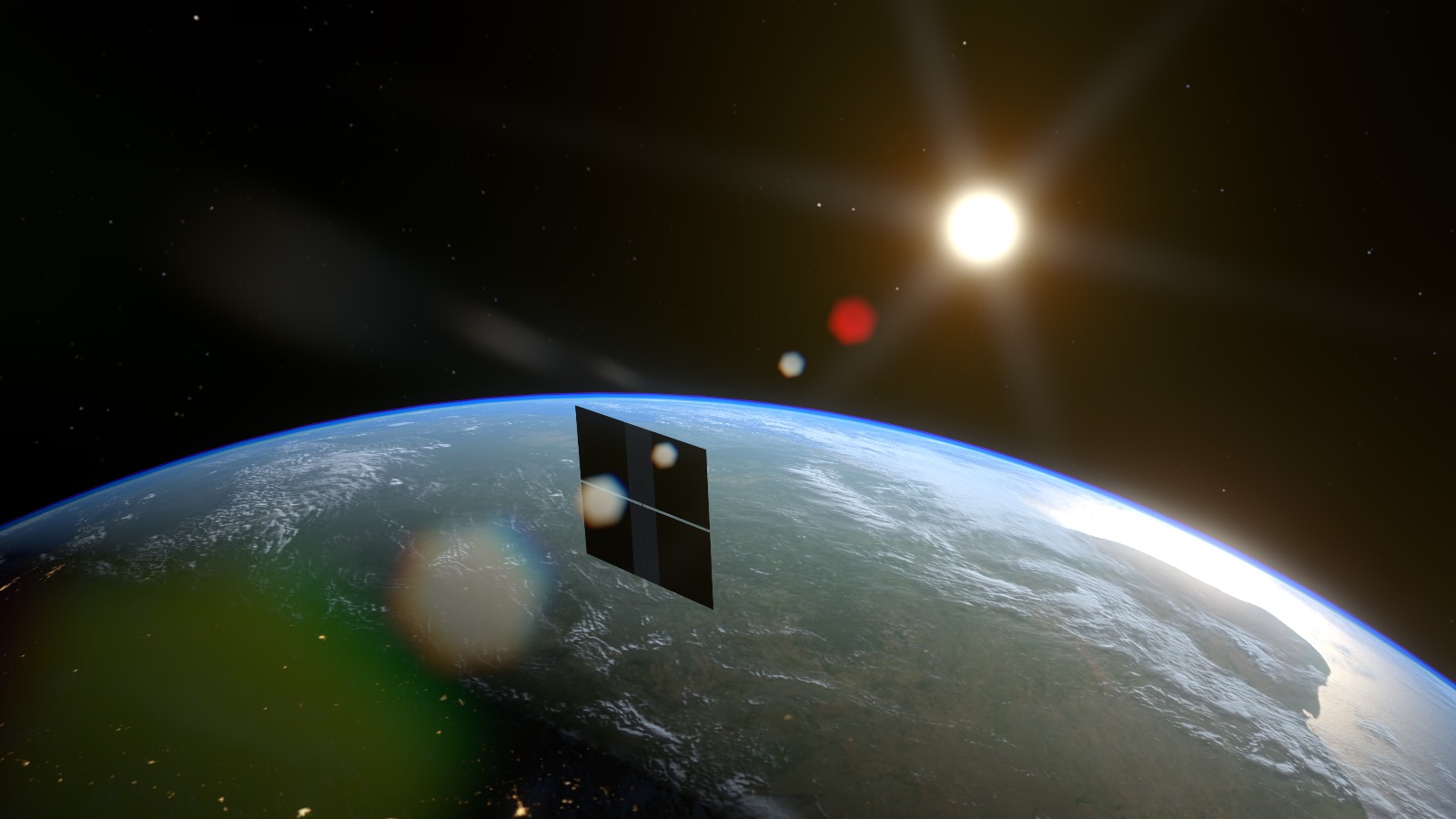
The orbital data center boom is promising opportunities well beyond the pioneers hoping to build colossal, AI-driven computing platforms in space.

A mix of ventures developing novel space technologies are looking to ride a wave of investment and dealmaking in the early innings of this emerging market, even as SpaceX and others behind some of the largest proposals plan to handle as much of the work in-house as possible.

Still, given the anticipated growth in AI and the power, regulatory and other infrastructure constraints pushing data centers off Earth, expectations are high that the market will be big enough for multiple players and strategies. Some ventures argue their capabilities would greatly improve performance, while others even claim they are essential to making the orbital data center business case work.

Sign up for First Up: Get the latest updates on SpaceX, Artemis, NASA and more. From Jeff Foust, First Up is a recap of the day’s space industry news, including civil, commercial, and military space developments.

By submitting this form, you agree to the SpaceNews privacy policy and terms and conditions and to receive email from us and our partners. You can opt-out at any time.

Powering new business

A major draw of Earth’s orbit is an abundance of solar energy that could feed data centers, which are driving the fastest-growing demand for power on the ground.

This is where startup Star Catcher sees an opening for the optical power-beaming constellation it is developing to transmit energy to spacecraft using their existing solar arrays.

“Sure, you have the solar system’s greatest fusion reactor there in the sky — when you can see it,” Star Catcher cofounder and CEO Andrew Rush said during a March 31 SpaceNews event on orbital data centers.

“But it’s really about the ability to collect, distribute and utilize that energy.”

According to Rush, concentrating solar energy would be a game-changer for space-based computing. Today, an average terrestrial data center rack is about a cubic meter in volume, weighs a couple hundred kilograms and pulls about 60 kilowatts of power.

Satellites with roughly the same mass and volume offer about one- tenth of that power.

Putting one data center rack in space the traditional way would therefore require roughly 10 satellite buses’ worth of hardware, Rush said, or accepting an uneconomical 10% duty cycle.

He argued that a shared power grid in space would lower energy costs while raising a small satellite platform to around 60 kilowatts, enabling the data center payload to operate with 100% uptime.

“Of course, you need to account for thermal [management] with that,” Rush added, and “other elements of the system, but the point is you can stay in a cost-effective existing platform and have the uptime that your business model and your customers need.”

Relying on others for energy, rather than building spacecraft around peak demand, could also reduce design tradeoffs around size, mass and onboard power systems.

Rethinking the basics

Reusable satellite developers are another group of startups challenging industry norms, betting that a shift away from disposable rockets will ultimately extend to the spacecraft they launch.

Brian Taylor, founder and CEO of Lux Aeterna, says orbital data centers are a prime use case for the returnable spacecraft his venture is advancing.

“Orbital data centers are dynamic systems,” Taylor said via email. “Unlike communications satellites that you launch and forget, these systems require high-cadence servicing. They demand regular hardware upgrades and physical asset recovery on a continuous, iterative basis.”

While in-orbit servicing technologies are also advancing, reusable satellite developers argue their approach would make it easier to swap out hardware directly, avoiding any need to rely on future fleets of robotic servicers.

“The economics collapse if every maintenance event requires launching a new satellite,” Taylor continued.

“Reusable satellites solve this: a returnable spacecraft can carry replacement modules up, bring degraded hardware back to Earth for refurbishment or forensic analysis and rotate components on a schedule.”

It would mean orbital infrastructure could be treated more like terrestrial data center operators handle their server racks.

There are also many ventures on the outskirts of the orbital data center market, such as space-based data storage specialist Lonestar.

And while much of the industry conversation today is focused on the infrastructure needed to enable and improve in-orbit computing, companies such as space infrastructure provider Loft Orbital are also busy working on the applications side of the market.

“None of it is going to matter unless there is a vibrant ecosystem of applications actually providing value,” said Loft Orbital cofounder and chief operating officer Alex Greenberg at the SpaceNews event. That means “answering real problems, saving people money, saving lives, etc.”

<em>This article first appeared in the May 2026 issue of SpaceNews Magazine.

Tags: SpaceX
No Result
View All Result

Recent Posts

  • NGA Rapid Capabilities Office to embrace speed and risk-taking
  • Scolese puts talent at center of NRO transition as he prepares to step down
  • Bringing imagery and communications under one roof
  • Eutelsat and Station Satcom sign agreement to scale LEO services for maritime fleet
  • ‘Thor’ hammered down 15 years ago, and it’s still the only Marvel movie to do the God of Thunder justice

Categories

  • Excursions
  • Kepler Mission
  • NASA
  • NASA Breaking News
  • Physical Preparation
  • Preparation
  • Space News
  • Space Station News
  • Spacewalks
  • Tours
  • Uncategorized
  • Weightlessness Training
  • What Not to Pack
  • What to Pack

Meta

  • Log in
  • Entries feed
  • Comments feed
  • WordPress.org
  • Home
  • Start Here
  • Preparing for Your Trip
  • Space Tourism Companies
  • Space Tours
  • Contact

© 2026 JNews - Premium WordPress news & magazine theme by Jegtheme.

No Result
View All Result
  • About
  • Contact
  • Feeds
  • Frequently Asked Questions
  • Preparing for Your Trip
    • Insurance and Legal Waivers
    • Physical and Medical Requirements
    • Training Programs
    • What to Expect
  • Privacy Policy
  • Space Tourism Companies
    • Axiom Space
    • Blue Origin
    • Blue Origin vs Virgin Galactic
    • Comparison Chart: Features, Pricing, Booking
    • SpaceX
    • Virgin Galactic
    • World View (stratospheric balloon flights)
  • Space Tours
    • Custom & Luxury Packages
    • Duration, Training, Costs
    • Experiences
    • Future Moon/Mars Options
    • Orbital Flights
    • Parabolic Flight Experiences
    • Private Missions
    • Stratospheric Balloon Flights
    • Suborbital Flights
    • Zero-Gravity Flights
  • Spaceflight Technologies
    • Space Tourism Balloon
  • Start Here
    • How to Book a Space Tour
    • Intro to Commercial Spaceflight
    • Is Space Tourism Safe?
    • Space Travel FAQs
    • View Earth from the Edge
    • What to Pack
  • Tours in Space is your launchpad to the world of space tourism

© 2026 JNews - Premium WordPress news & magazine theme by Jegtheme.