• Home
  • About
  • FAQ
  • Feeds
  • Glossary
  • Contact
Tours In Space
  • Home
  • Start Here
    • Intro to Commercial Spaceflight
    • How to Book a Space Tour
    • Is Space Tourism Safe?
    • Space Travel FAQs
    • View Earth from the Edge
    • What to Pack
  • Preparing for Your Trip
    • Insurance and Legal Waivers
    • Physical and Medical Requirements
    • Training Programs
    • What to Expect
  • Space Tourism Companies
    • Axiom Space
    • Blue Origin
    • SpaceX
    • Virgin Galactic
    • World View (stratospheric balloon flights)
    • Blue Origin vs Virgin Galactic
    • Comparison Chart: Features, Pricing, Booking
  • Space Tours
    • Custom & Luxury Packages
    • Duration, Training, Costs
    • Experiences
    • Future Moon/Mars Options
    • Orbital Flights
    • Parabolic Flight Experiences
    • Private Missions
    • Stratospheric Balloon Flights
    • Suborbital Flights
    • Zero-Gravity Flights
  • Spaceflight Technologies
    • Space Tourism Balloon
No Result
View All Result
  • Home
  • Start Here
    • Intro to Commercial Spaceflight
    • How to Book a Space Tour
    • Is Space Tourism Safe?
    • Space Travel FAQs
    • View Earth from the Edge
    • What to Pack
  • Preparing for Your Trip
    • Insurance and Legal Waivers
    • Physical and Medical Requirements
    • Training Programs
    • What to Expect
  • Space Tourism Companies
    • Axiom Space
    • Blue Origin
    • SpaceX
    • Virgin Galactic
    • World View (stratospheric balloon flights)
    • Blue Origin vs Virgin Galactic
    • Comparison Chart: Features, Pricing, Booking
  • Space Tours
    • Custom & Luxury Packages
    • Duration, Training, Costs
    • Experiences
    • Future Moon/Mars Options
    • Orbital Flights
    • Parabolic Flight Experiences
    • Private Missions
    • Stratospheric Balloon Flights
    • Suborbital Flights
    • Zero-Gravity Flights
  • Spaceflight Technologies
    • Space Tourism Balloon
No Result
View All Result
Tours In Space
No Result
View All Result
Home Space News

The moon as you rarely see it: How a photographer captured night and day on the first quarter moon

Ensign by Ensign
April 26, 2026
in Space News
0
The moon as you rarely see it: How a photographer captured night and day on the first quarter moon
189
SHARES
1.5k
VIEWS
Share on FacebookShare on Twitter

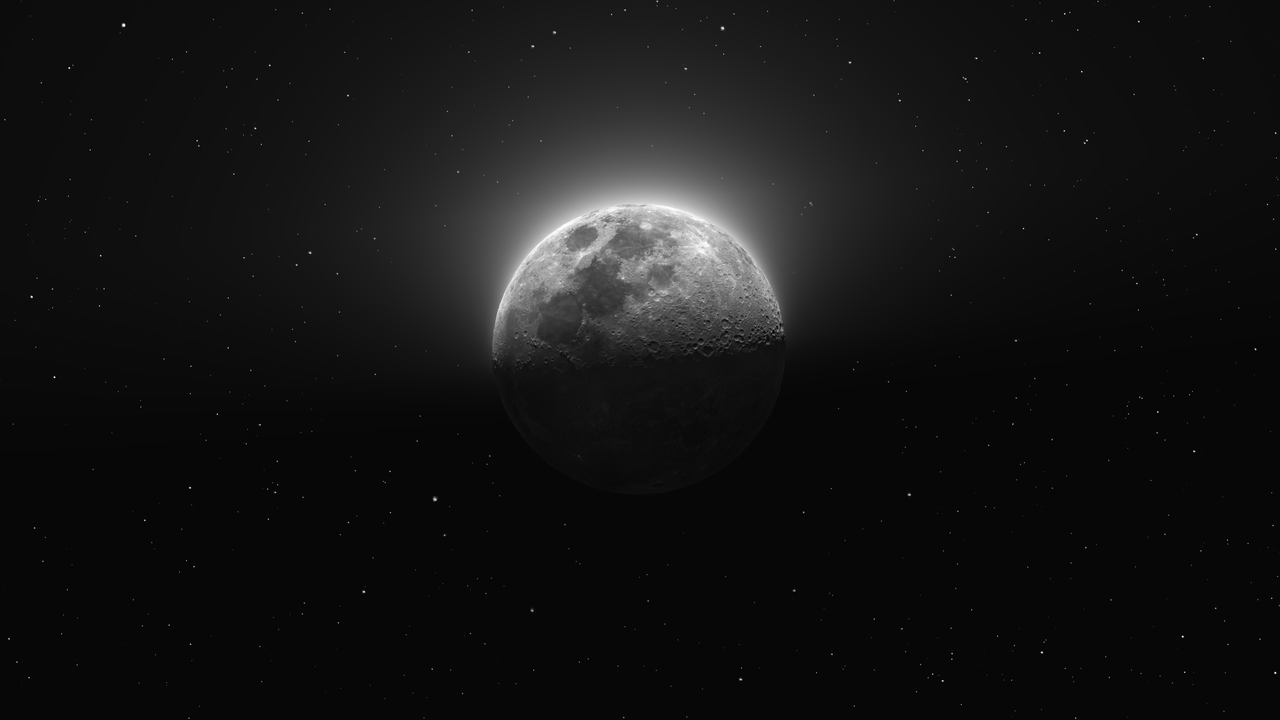
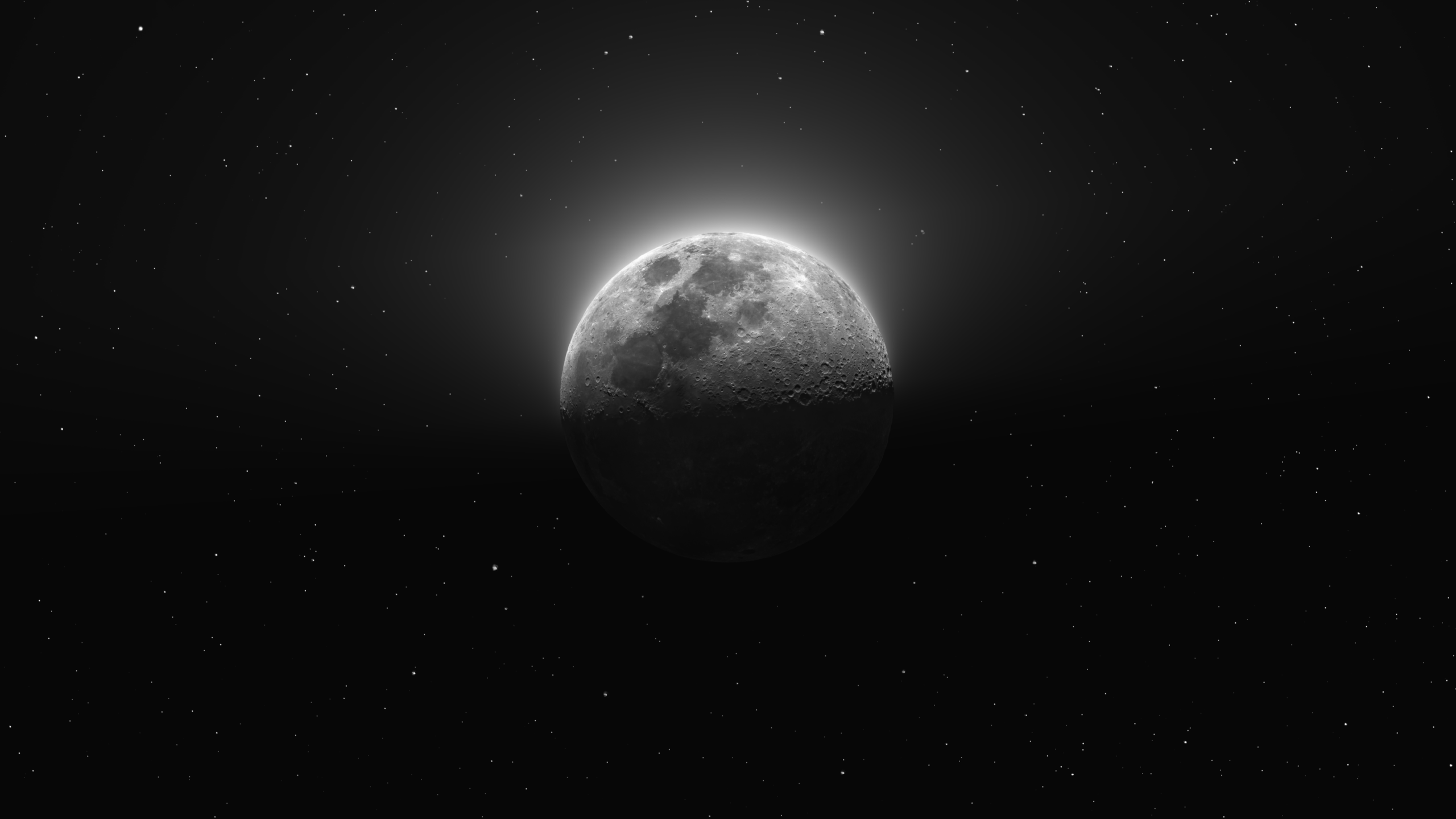
A photo of the half-lit moon shining in a starry night sky. The moon's upper half is lit by sunlight and a soft glow infuses the shadowed side. Dark lunar seas and craters mark the sunlit surface.

The first quarter moon shines over the city of Yorba Linda, California in March 2026. (Image credit: Zachary Cooper)

Astrophotographer Zachary Cooper created this magnificent view of March’s first quarter moon, using clever editing to reveal dramatic detail and shadows on the sunlit side, while also capturing the ethereal glow of “earthshine” on its shadowed half. Here’s how he did it.

Cooper set out to photograph the moon using an 80 millimeter (3.14 inch) refractor telescope and ZWO astronomy camera as it glowed half-lit in the skies above the city of Yorba Linda, California, on March 25.

Dark lunar seas, bright young craters and dramatic shadows dominate the moon’s ancient surface near the line where night and day collide, known as the terminator — or, as Cooper calls it, the “sunset strip”.


You may like

However, this is no ordinary picture of the waxing moon. It’s a clever composite, created by capturing and merging multiple photos with different settings to tease out detail on both the sunlit and shadowed sides of the lunar disk.

“Many people are surprised to learn that the night side of the Moon, when facing Earth, isn’t actually completely dark. Sunlight reflecting off the oceans and clouds of Earth slightly illuminates the unlit portion of the Moon, in a phenomenon known as “Earthshine.” However, this gentle glow is incredibly dim when compared to the illuminated side, and it’s impossible to properly capture both in one photograph.”
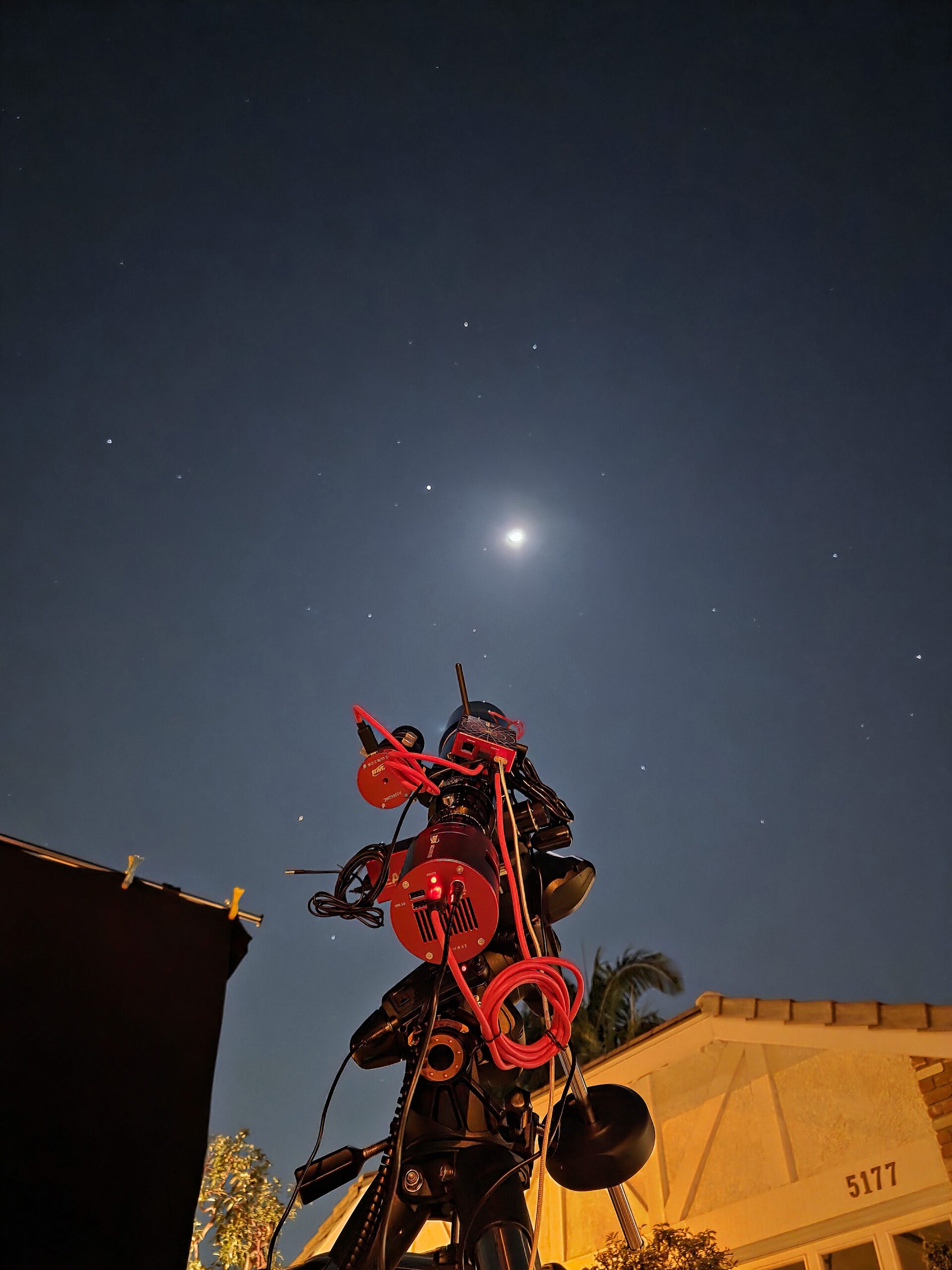
A photo of a telescope pointing at the moon in a starry night sky. The image is taken from behind the telescope and a house is visible at the bottom of the frame.

Cooper’s telescope and astronomy camera at work imaging the lunar disk. (Image credit: Zachary Cooper)

To compensate, Cooper captured 150 individual 5-millisecond exposures of the moon and combined the best 15 frames to create a detailed view of the sunlit half. He then took a further 100 5-second exposures, combining the top 10 frames to reveal faint earthshine illuminating the dark side.

Cooper’s next challenge was to painstakingly merge the two components into a single, unified image — a task that proved particularly difficult around the terminator, where the two halves met.

“That area is full of intense contrast, which is great for detail, but challenging to blend,” explained the photographer. “To give the final image some depth and context, I kept the stars and lunar glow from the 5 second exposures and softly blended them in around the Moon.”

The end result is a gorgeous portrait of Earth’s natural satellite, which combines the silvery glow and long, detail-laden shadows of the daylight side with the otherworldly suggestion of earthshine.

Celestron Inspire 100AZ
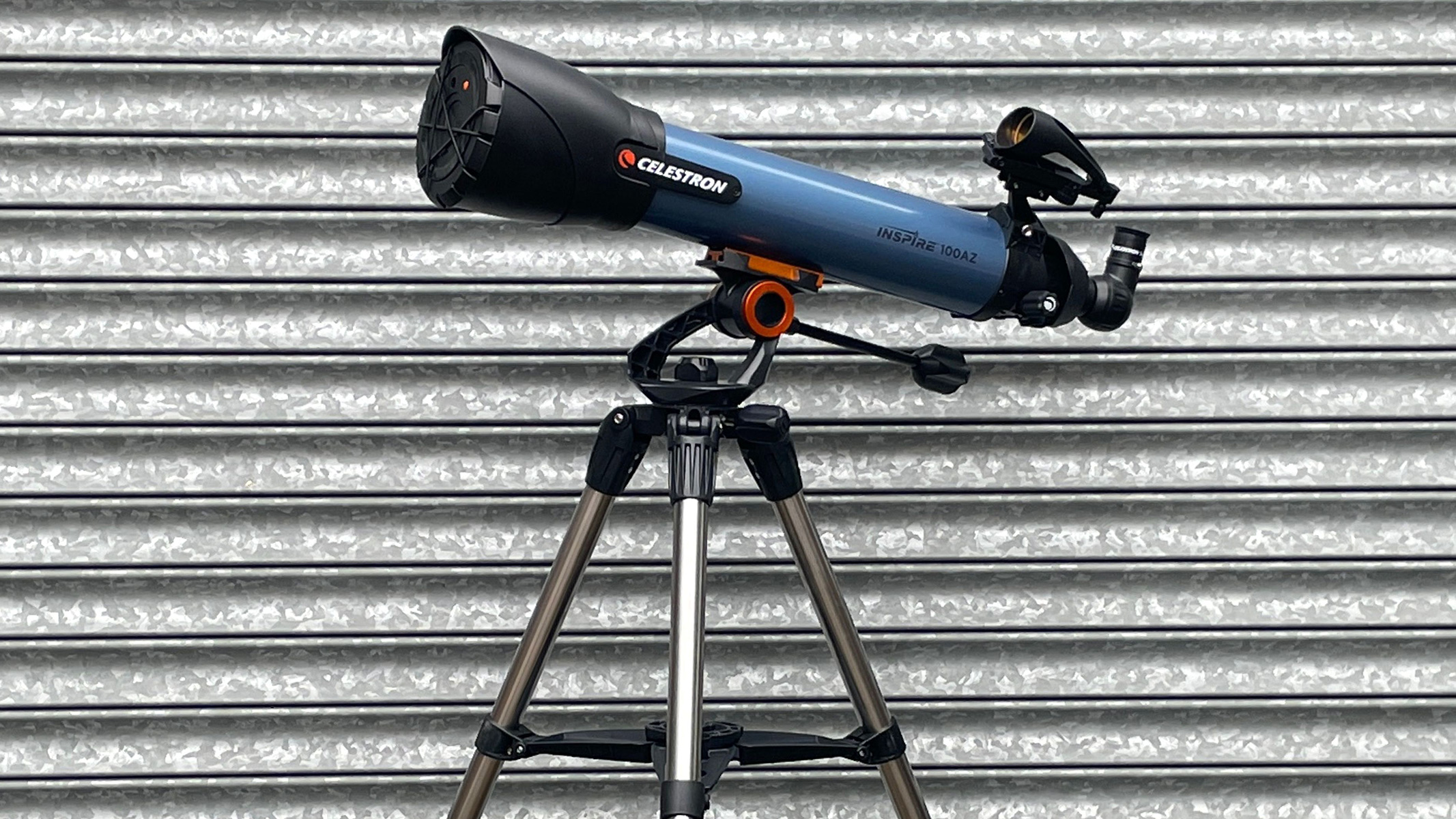
A side profile view of the telescope against a corrugated iron backdrop

(Image credit: Jamie Carter)

The Celestron Inspire 100AZ is, in our opinion, the best beginner telescope for viewing Earth’s moon and the planets and even provides an opportunity to do some basic astrophotography. Why not take a look at our Celestron Inspire 100AZ review to find out more?

“That moment of completion was incredibly rewarding, as I felt like I had finally represented the first quarter moon as it might appear in person,” continued Cooper. “I often thought of the perspective of the Artemis II astronauts approaching the Moon as I worked on the project. In that way, the image became more than just a photography project. It’s a glimpse of the Moon as a destination, not just something we observe from afar.”

Want to capture your own detailed photos of the moon? Then why not check out our guide to imaging the lunar disk using a DSLR or mirrorless camera? If you’re looking to upgrade your equipment, then you should also peruse our roundups of the best lenses and cameras for astrophotography.

<em>Editor’s Note: If you would like to share your moon photos with Space.com’s readers, then please send your image(s), along with your comments, name and the location of your shoot to spacephotos@space.com.

No Result
View All Result

Recent Posts

  • Voyager ‘very optimistic’ about Starlab amid potential NASA changes
  • Ukrainian forces test direct-to-device satellite imagery for frontline troops
  • New NGA head makes industry debut at GEOINT Symposium 2026
  • Startup develops software to help military tap commercial imaging satellites
  • Loft Orbital expands into full-service constellation deals

Categories

  • Excursions
  • Kepler Mission
  • NASA
  • NASA Breaking News
  • Physical Preparation
  • Preparation
  • Space News
  • Space Station News
  • Spacewalks
  • Tours
  • Uncategorized
  • Weightlessness Training
  • What Not to Pack
  • What to Pack

Meta

  • Log in
  • Entries feed
  • Comments feed
  • WordPress.org
  • Home
  • Start Here
  • Preparing for Your Trip
  • Space Tourism Companies
  • Space Tours
  • Contact

© 2026 JNews - Premium WordPress news & magazine theme by Jegtheme.

No Result
View All Result
  • About
  • Contact
  • Feeds
  • Frequently Asked Questions
  • Preparing for Your Trip
    • Insurance and Legal Waivers
    • Physical and Medical Requirements
    • Training Programs
    • What to Expect
  • Privacy Policy
  • Space Tourism Companies
    • Axiom Space
    • Blue Origin
    • Blue Origin vs Virgin Galactic
    • Comparison Chart: Features, Pricing, Booking
    • SpaceX
    • Virgin Galactic
    • World View (stratospheric balloon flights)
  • Space Tours
    • Custom & Luxury Packages
    • Duration, Training, Costs
    • Experiences
    • Future Moon/Mars Options
    • Orbital Flights
    • Parabolic Flight Experiences
    • Private Missions
    • Stratospheric Balloon Flights
    • Suborbital Flights
    • Zero-Gravity Flights
  • Spaceflight Technologies
    • Space Tourism Balloon
  • Start Here
    • How to Book a Space Tour
    • Intro to Commercial Spaceflight
    • Is Space Tourism Safe?
    • Space Travel FAQs
    • View Earth from the Edge
    • What to Pack
  • Tours in Space is your launchpad to the world of space tourism

© 2026 JNews - Premium WordPress news & magazine theme by Jegtheme.